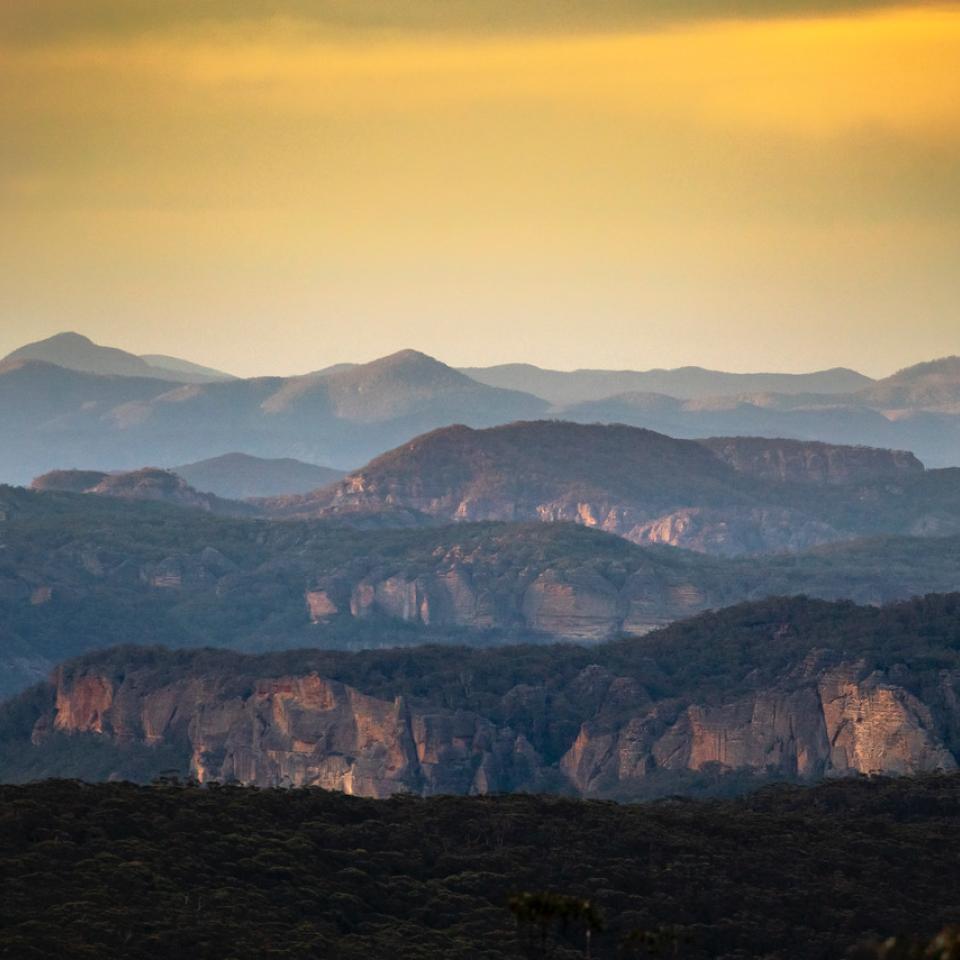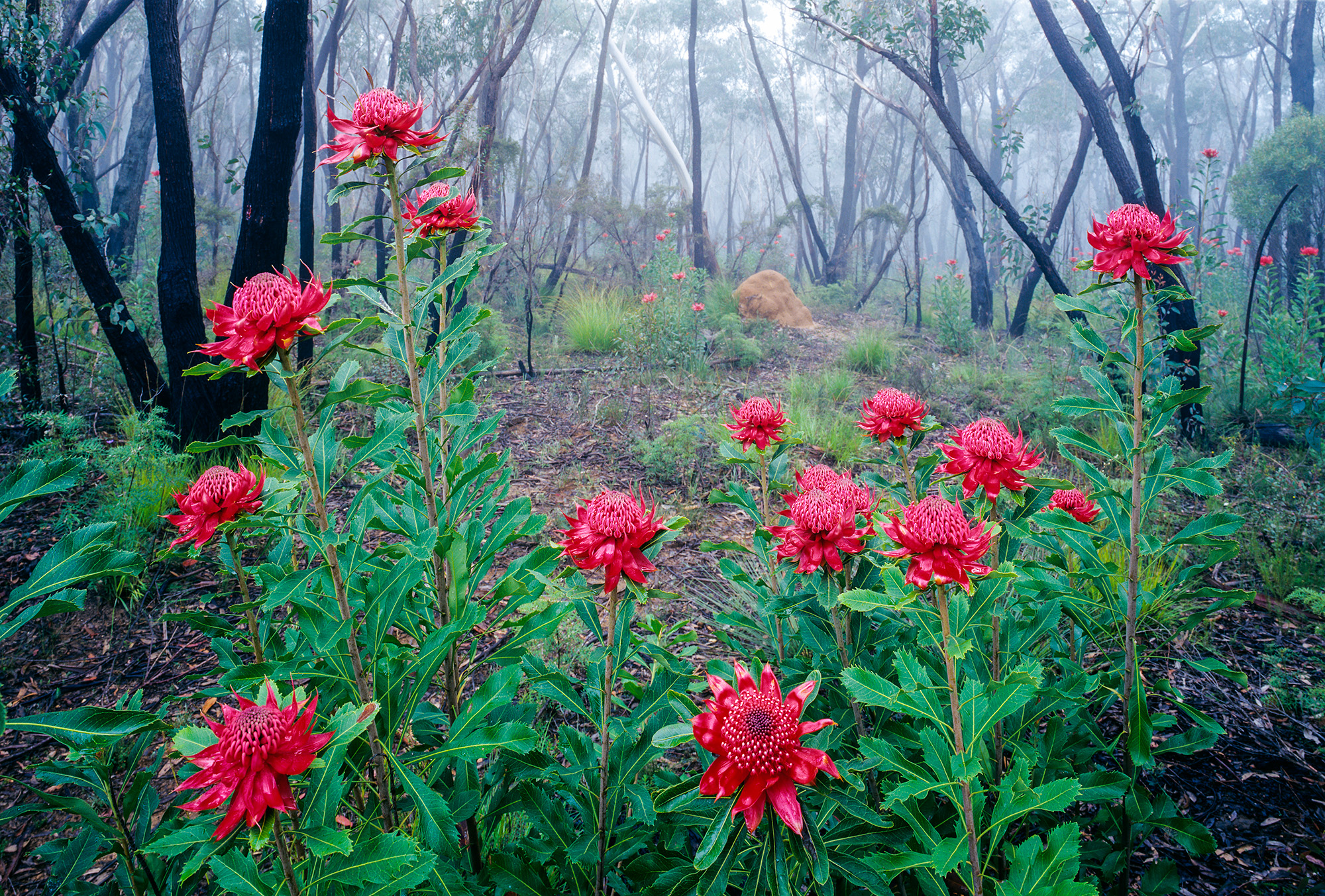
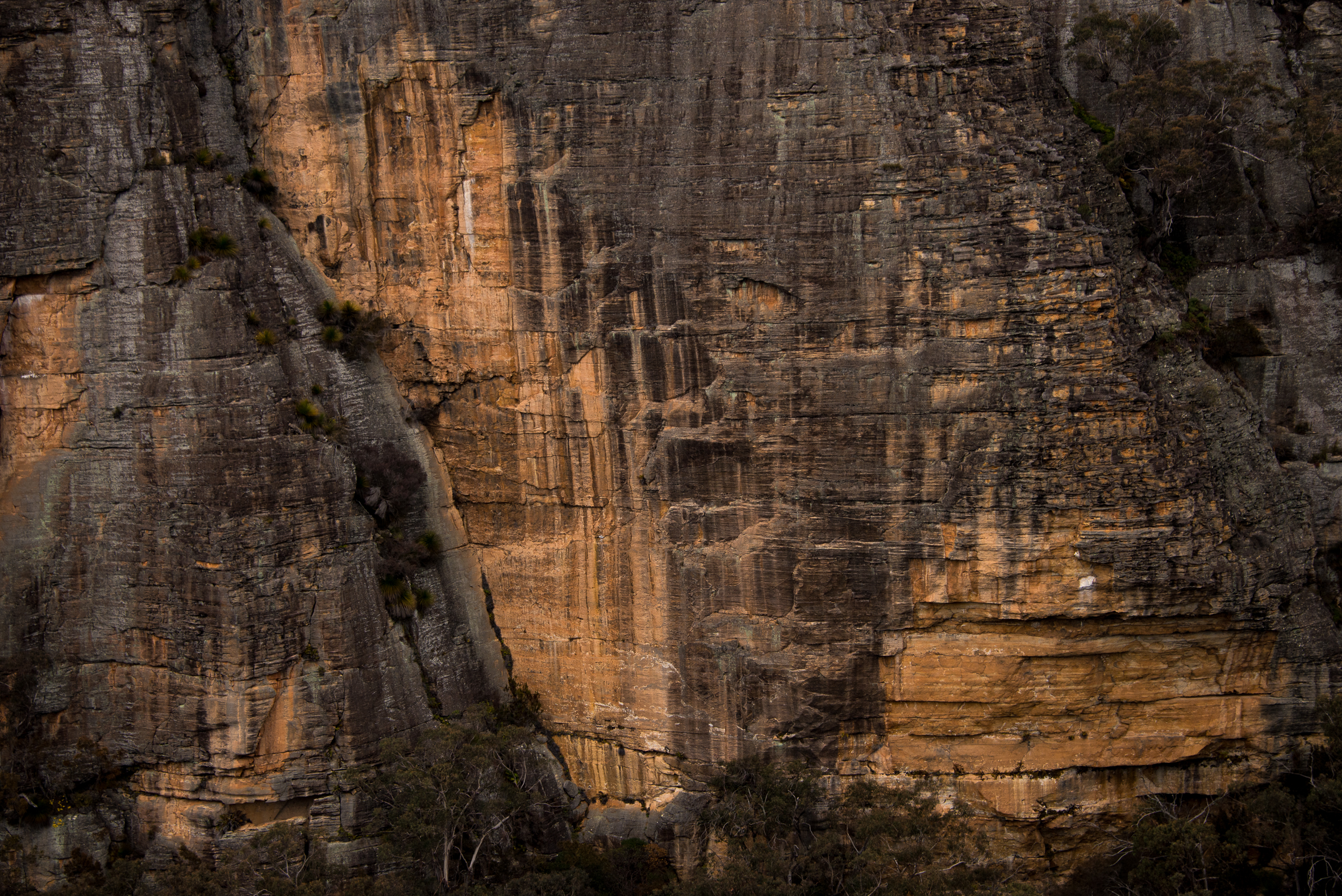
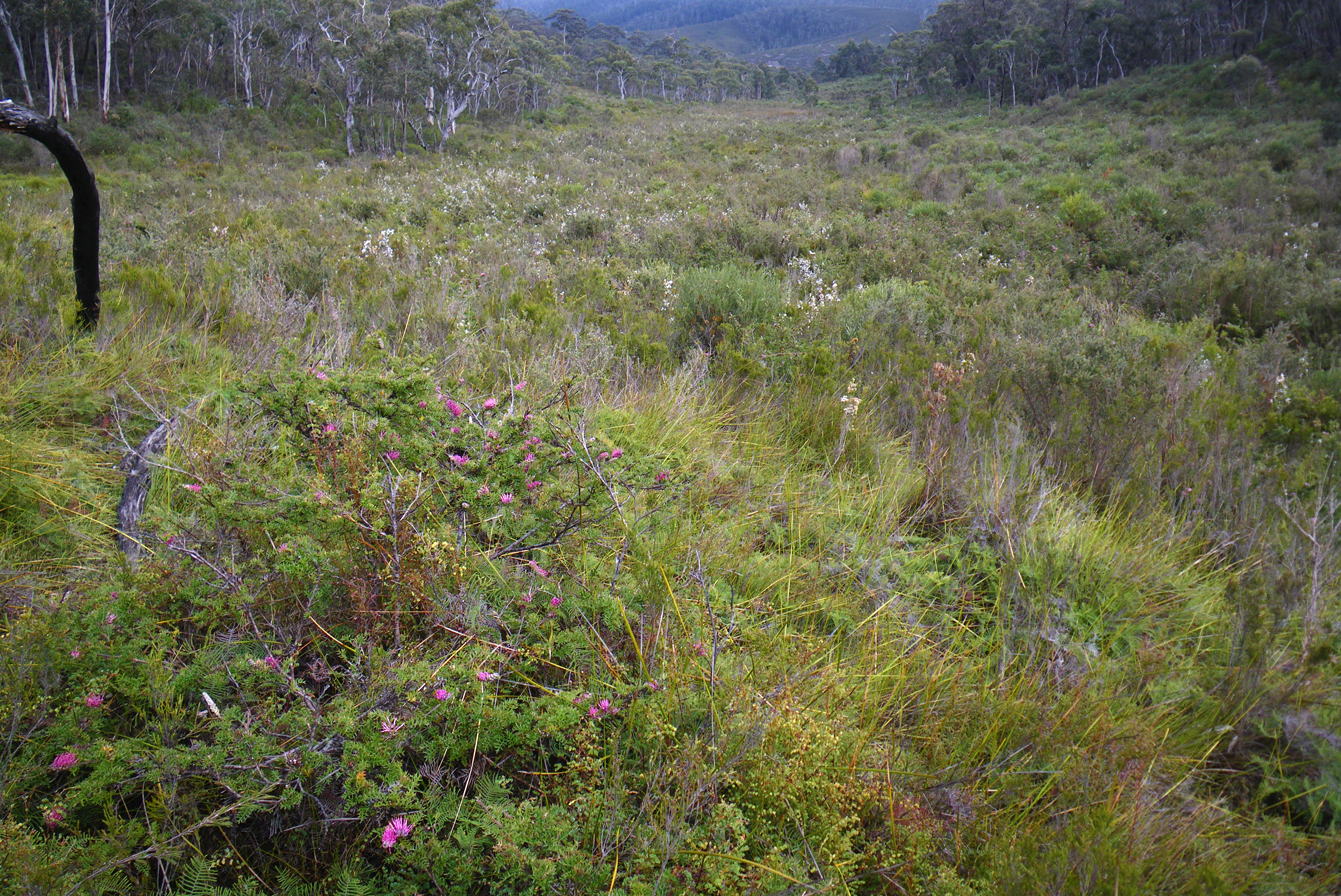
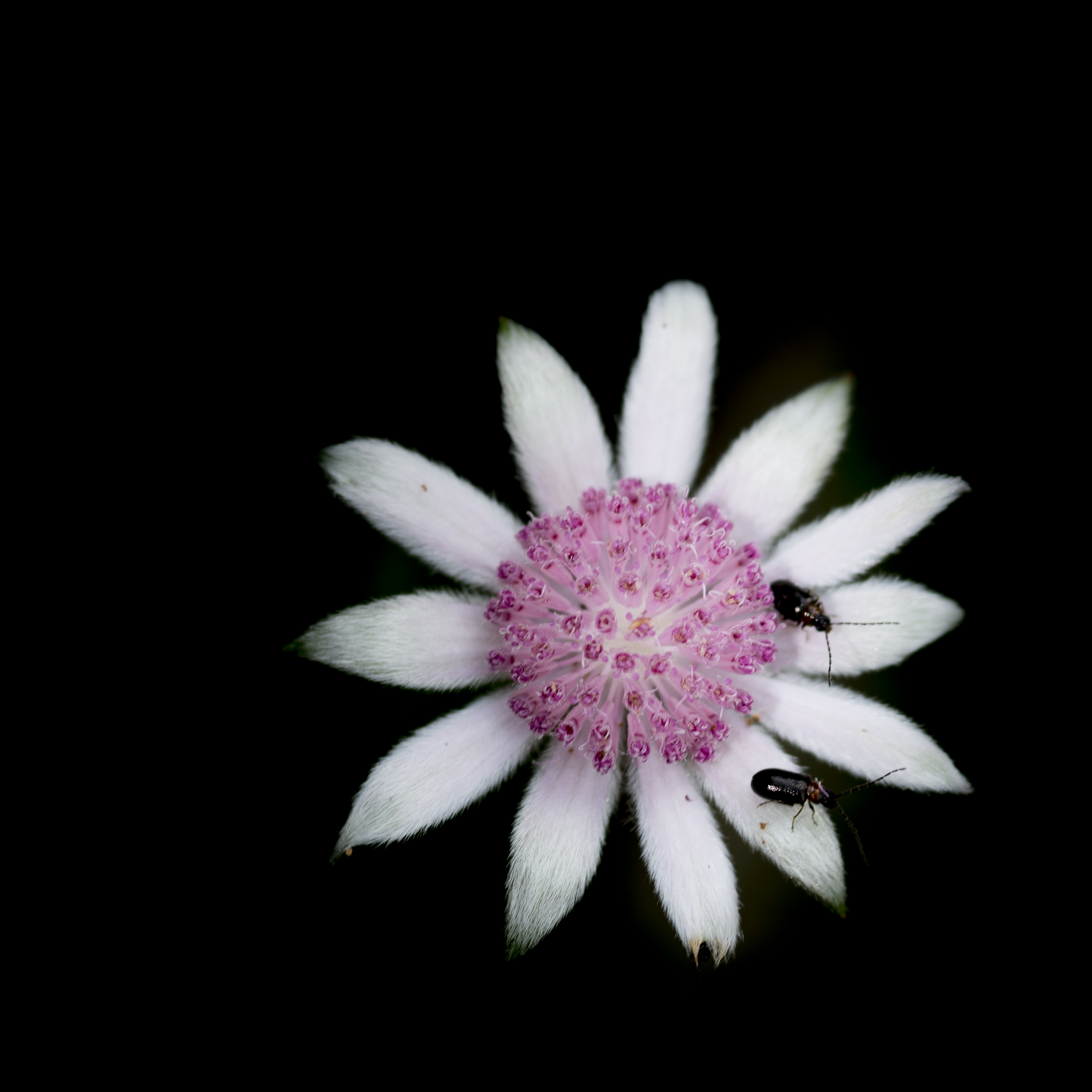
Waratahs at waratah ridgePagodasGrevillea Acanthifolia in the Newnes PlateauFlannel flower with bugs

Pagoda landscapes support a vast array of rare plant and animal life

Angus Place areas to be pumped out are beside EEC swamps
Angus Place areas 800 & 900 to be pumped out are beside endangered swamps

Lithgow’s Gardens of Stone backyard is as diverse and unique as it is beautiful.

Protected in a wonderful 28,332ha State Conservation Area, its pagoda landscapes support a vast array of rare plant and animal life. The new reserve protects the core of the Gardens of Stone and more than doubles the protected area in the Gardens of Stone region.

The next step is formal planning for the reserve, including siting recreation facilities to enable families to get close to nature. The National Parks and Wildlife Service has put the reserve’s management plans on public exhibition for comment, and access roads are being upgraded. Thank you for your submissions that will help to ensure this reserve becomes a wonderland, not a theme park.

Once completed, this reserve will be a must-see destination that reveals the enduring benefits of nature conservation. Thousands will then be spellbound by this true natural wonderland that need no fancy facilities.

Also, visit the Gardens of Stone In Focus gallery to see a hint of what’s in store. Once restored, with access repaired and basic facilities, this reserve can become one of the best in NSW!

The next few months will be critical…

Imagine hiking in one of Australia’s most spectacular regions, only to have the peace shattered by constant helicopter noise. This is the reality facing the Gardens of Stone State Conservation Area if a new proposal is approved, potentially wasting $50 million in government investment for visitor facilities.

The Gardens of Stone Alliance is calling for bold action to protect Sydney’s drinking water, as a clean up notice imposed on Centennial Coal has failed to bring down high levels of toxic pollution in the Coxs River. 

New readings show pollution in the catchment remains severe, despite intervention by the NSW Environmental Protection Authority (EPA).